Climate Data Analysis Training
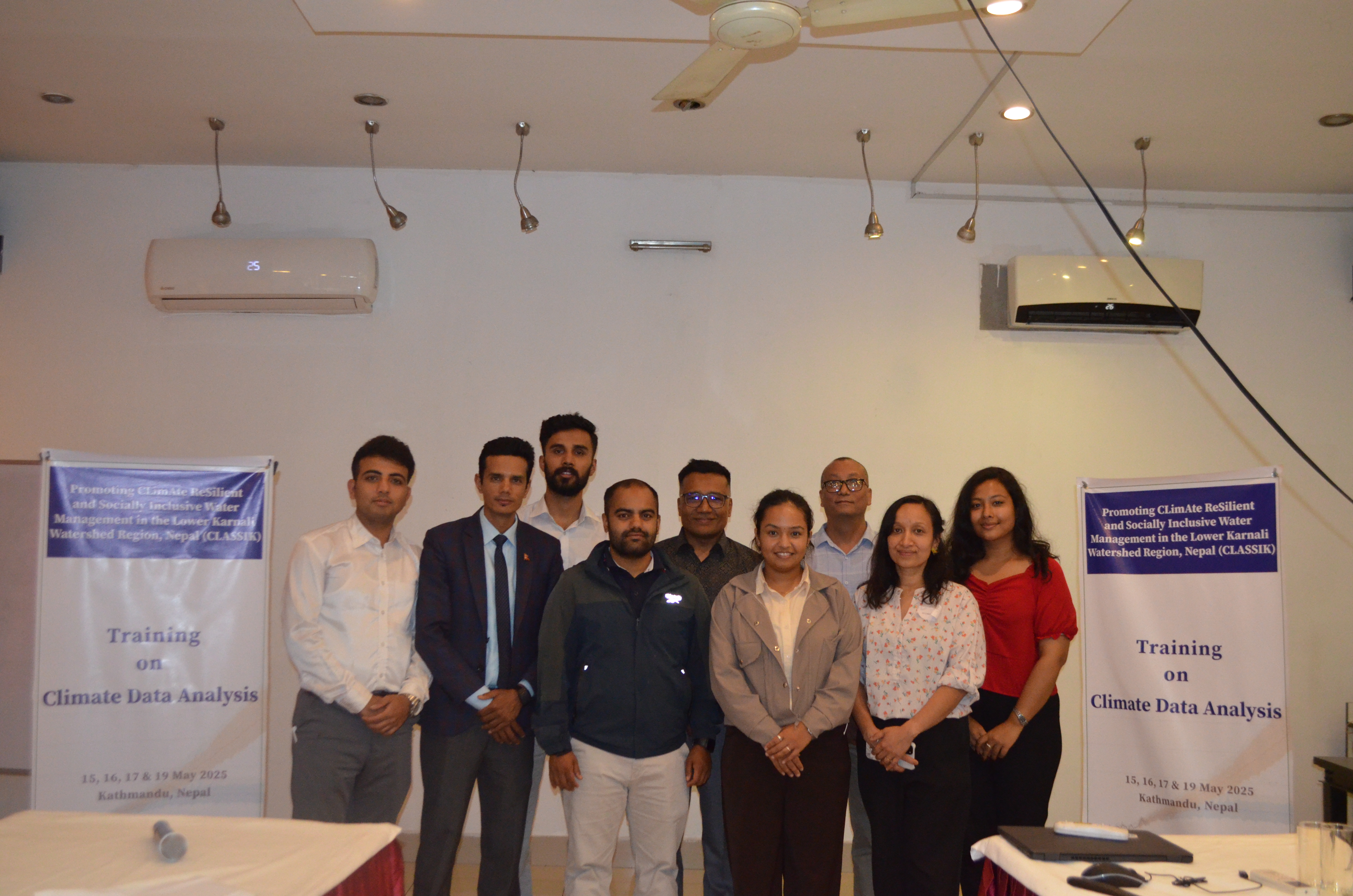
Hands-on training programmes in Python-based climate data analysis for early-career researchers across Nepal — bridging the gap between large gridded datasets and practical watershed science. Delivered under the CLASSIK project and the South Asia–China precipitation resilience project, both implemented by The Small Earth Nepal.
Training Programmes
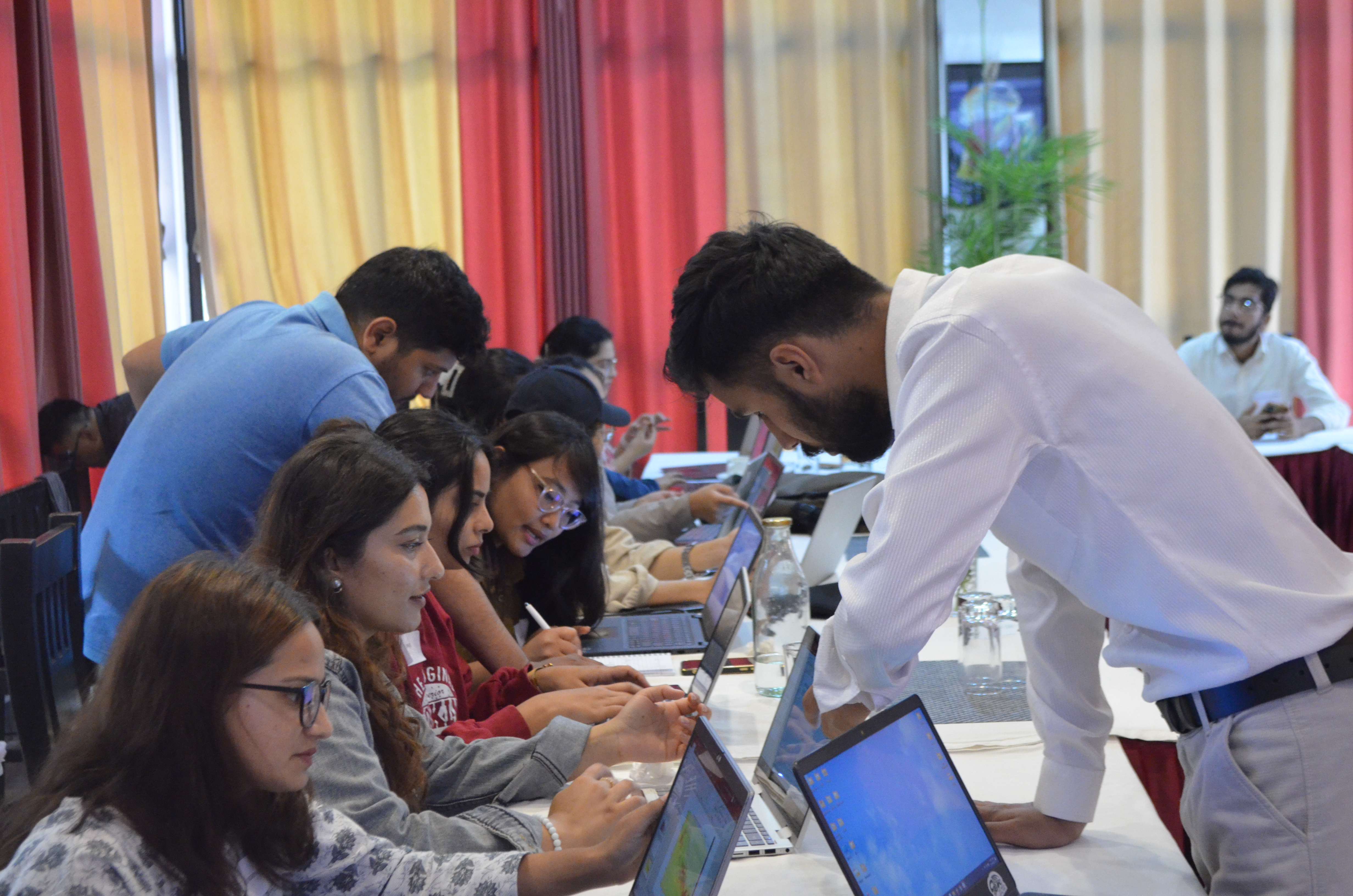
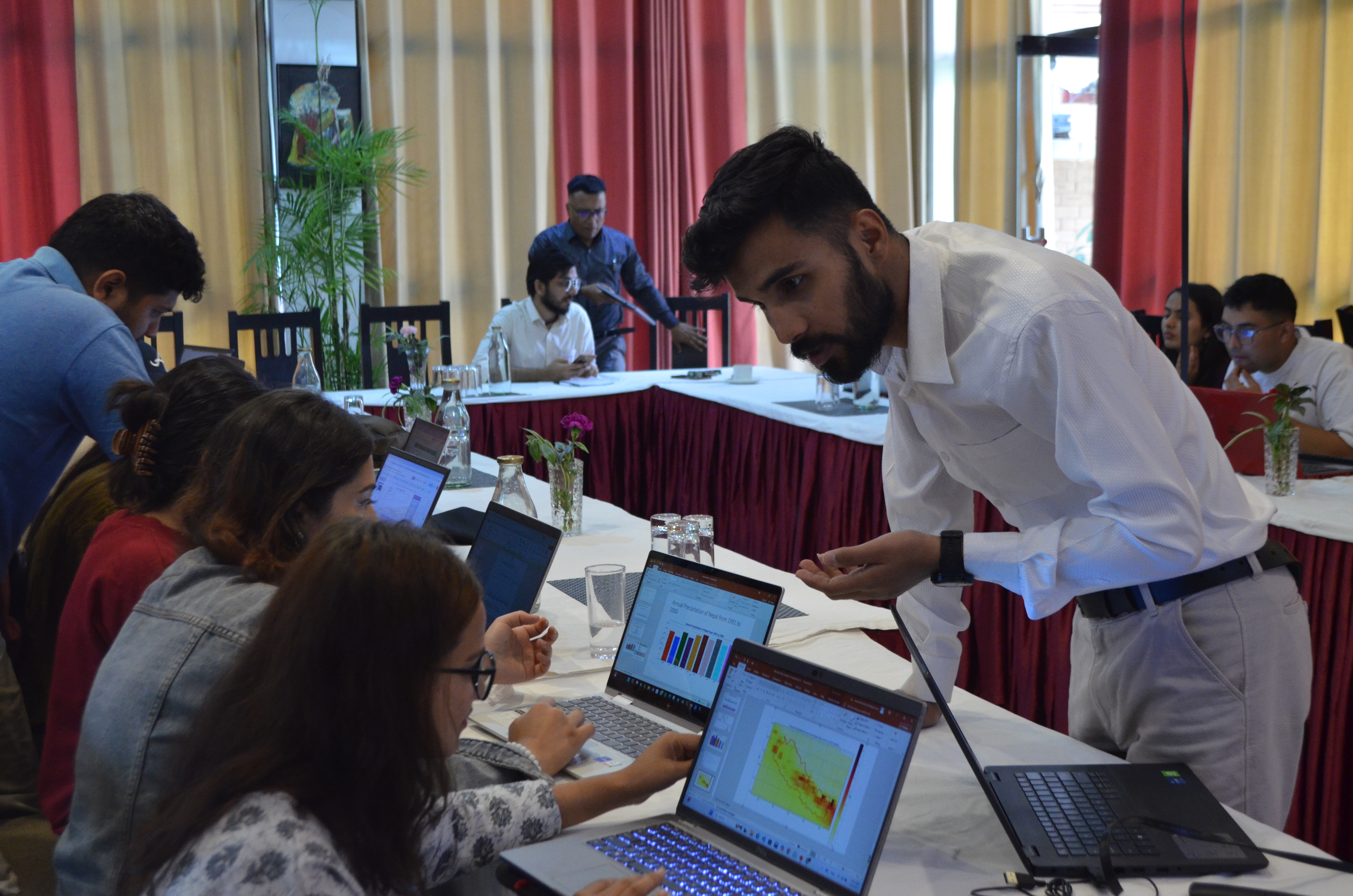
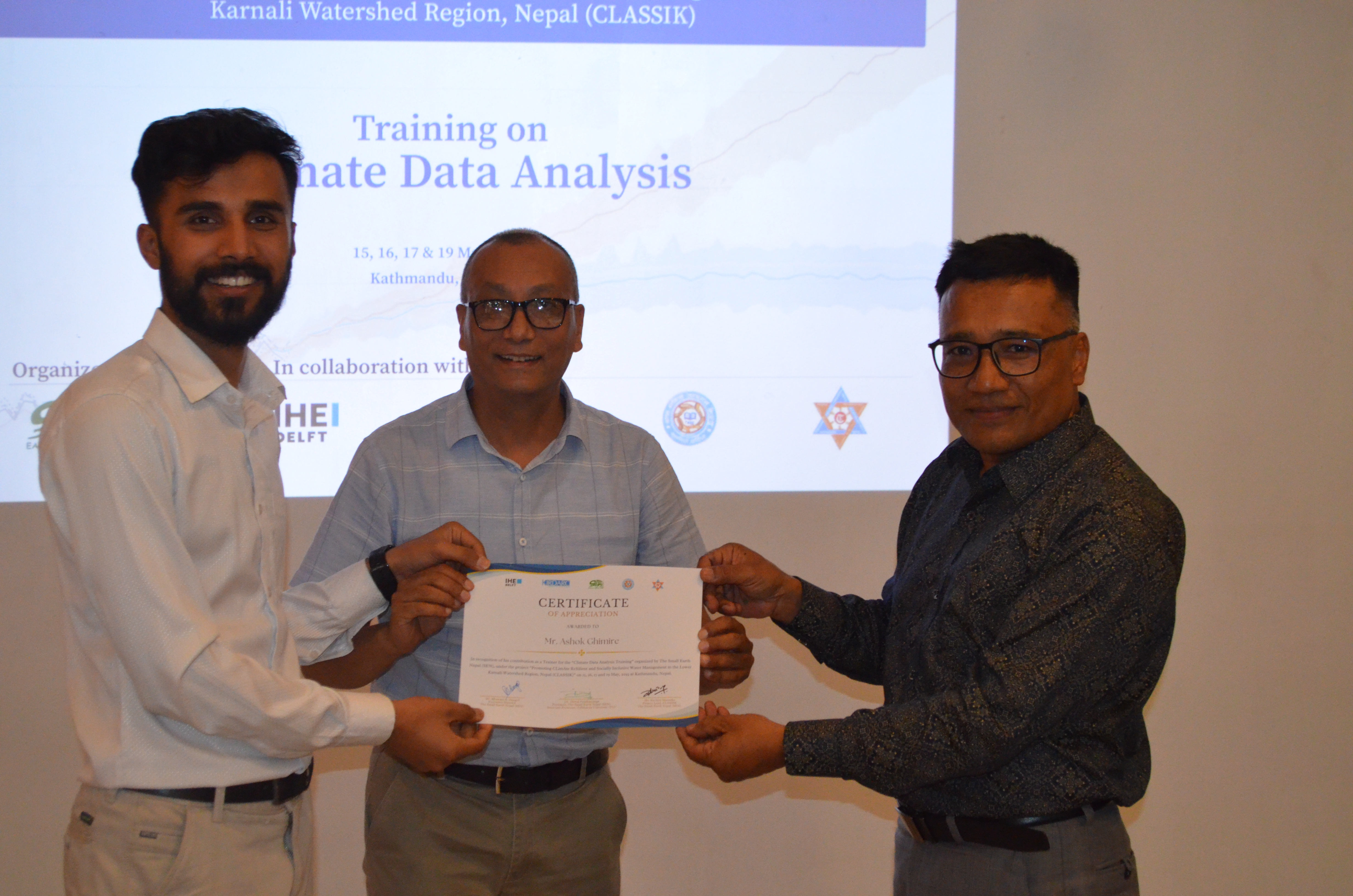
Led hands-on climate data analysis training for early-career researchers. Demonstrated end-to-end Python workflows using real-world datasets including ERA5, APHRODITE, APN Ali, and WFDE5 — from data download and processing through to trend analysis and visualisation for watershed applications.
Delivered training in Surkhet, the gateway to the Karnali watershed — the direct study area of the CLASSIK project. Supported participants in interpreting precipitation trends, drought indices, and climate variability indicators relevant to Karnali watershed management and water security.
Designed and delivered online training sessions on climate data analysis workflows for international research collaborators across South Asia and China, as part of the multi-country precipitation resilience project. Covered ERA5 and APHRODITE processing for precipitation trend assessment and disaster risk reduction applications.
Training Curriculum
Python for Climate Science
Practical Python workflows using NumPy, Pandas, Xarray, and Matplotlib — applied directly to gridded climate datasets.
Gridded Datasets
Working with ERA5 reanalysis, APHRODITE, APN Ali, and WFDE5 — download, preprocessing, regridding, and quality assessment.
Trend Analysis
Statistical methods for detecting precipitation and temperature trends — Mann-Kendall tests, Sen's slope, and anomaly detection.
Watershed Applications
Applying climate data analysis to real watershed problems: water availability assessment, drought characterisation, and flood risk interpretation.
Training Moments
See more photos in the Gallery →
Building capacity where it's needed most
Nepal sits at the frontline of climate change, yet access to practical training in modern climate data science remains limited for early-career researchers outside of major institutions. These training programmes address that gap directly — giving participants hands-on skills with the same datasets used in global climate assessments.
By building local analytical capacity within the Karnali watershed region and connecting South Asian researchers with standardised workflows, the training contributes to evidence-based water management and disaster preparedness where it matters most — on the ground, in the communities facing the greatest risk.
Interested in collaboration or training?
If you're looking for climate data training for your team or institution, get in touch.
Contact Me